


Yes, many established small and medium-sized businesses (SMEs) are eligible for a business loan, even with poor credit and rejection from a traditional loan source, like banks.
Understanding how business credit works, and knowing where alternative lenders differ, can help you access the funding your SME needs to stabilise or start growing.
Why traditional funding stops SMEs from securing finance

Your business might be performing well, and you may want to keep that momentum going by hiring more staff or investing in new tools. According to the Bank of England, nearly two-thirds (60%) of SMEs prioritise investment in technology or IT, with a further 52% investing in machinery and vehicles.
But running a business can also be unpredictable. This often means riding out dips in cash flow, facing delayed customer payments, or pushing through difficult trading periods which can leave even stable SMEs looking for external finance to move forward.
Despite that, borrowing confidence is low. Research from the British Business Bank shows:
- 58% thought credit was too expensive
- 55% couldn’t borrow at a reasonable rate
- 29% believed their application would be rejected before they even apply
And once rejected, most give up. Small Business Economics found that 72% of previously declined borrowers hesitate to reapply. Many SMEs find banks unwilling to look beyond automated credit scoring, making it a demotivating and frustrating ordeal.
That’s why exploring alternative lenders who take a broader view of the business can be a turning point for business growth.
Why banks may reject SME loan applications in the UK
Many SMEs may find that mainstream lenders like banks have a narrow, risk-first approach, especially during periods of economic uncertainty. As profit-led organisations, they tend to prioritise lending where they can expect a strong and predictable return. Smaller businesses, like those in more niche markets with smaller customer bases, often fall outside of this comfort zone.
Smaller businesses tend to have less extensive credit files, too, making it harder for banks to assess risk using their standard models. With SME owners avoiding external sources of funding, it’s harder to build healthier business credit. Automated systems may flag this as insufficient evidence of reliability, rather than a holistic overview of a turbulent economy.
Does your personal credit score affect your business?
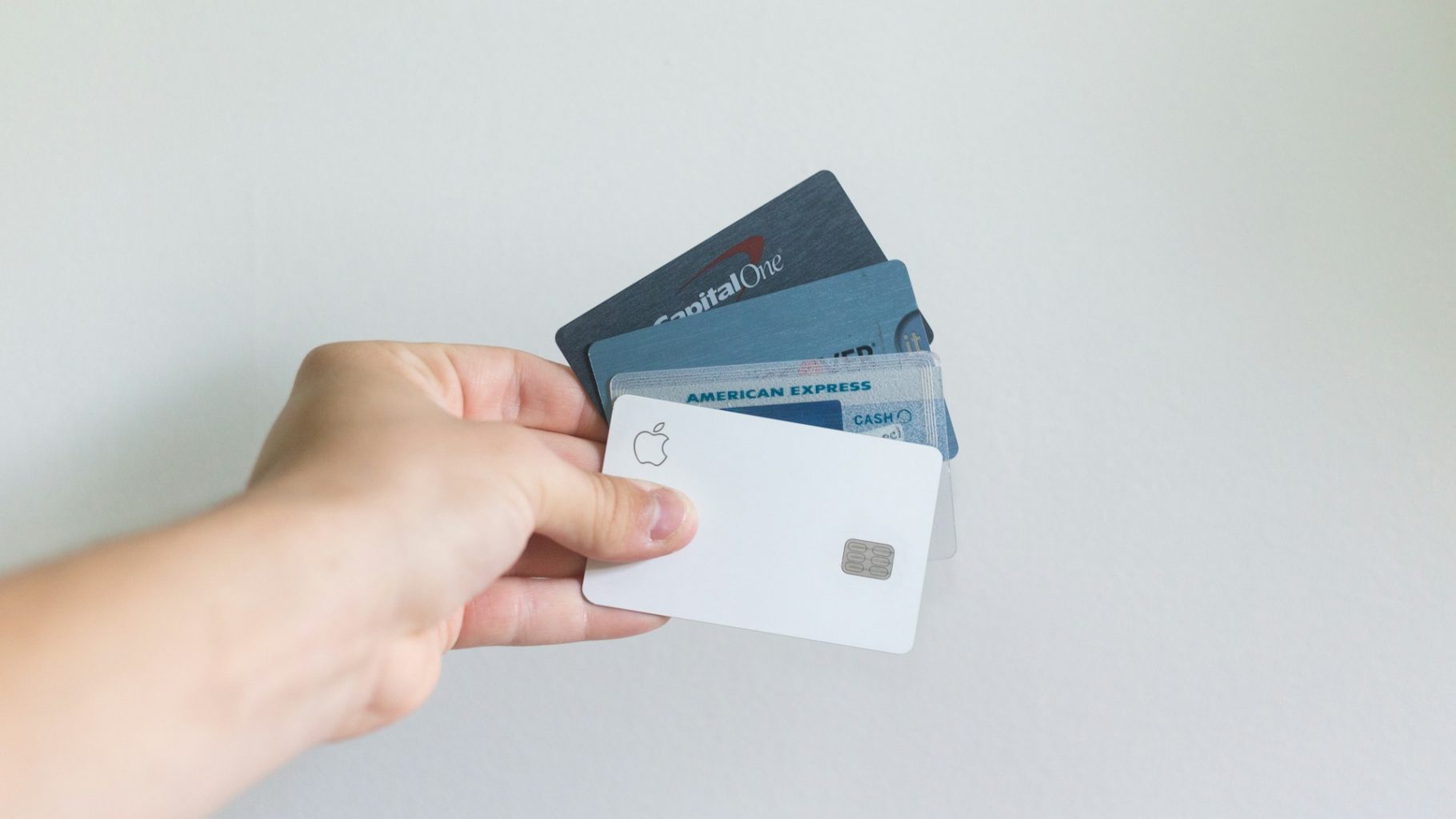
Yes, your personal credit score may affect business borrowing, but it depends on the lender and the loan structure.
- Banks often review both personal and business credit to assess risk.
- Alternative lenders may consider personal credit but place greater emphasis on the business itself.
- If the loan is in the business’ name, it usually won’t appear on your personal credit report.
This is important context for owners whose personal credit may have taken a hit even though the business is performing well.
How is ‘bad credit’ assessed for businesses?
A business’ credit score is shaped by factors such as:
- Filed accounts
- If payments are punctual
- Any existing debts
- CCJs, defaults or arrears
- Past borrowing behaviour
Poor performance in any of these areas can lower the score and trigger loan rejection. It’s always useful to make your credit rating healthier by improving any of the above factors. However, alternative lenders to banks will assess the wider picture and take into account the general performance of your SME, opening up the opportunity for your SME to prosper.
Why alternative lending options offer more credit flexibility
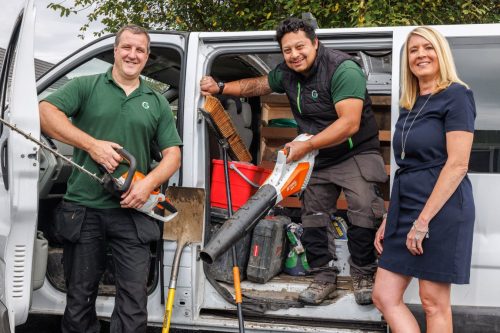
As banks lean heavily towards minimised risk, it feels more like a judgment rather than acknowledging your business’ potential. That’s why alternative lenders, including BCRS, adopt a relationship-based approach. They examine the story behind the score and evaluate the current business performance and viability of growth, aligning with real-world trading conditions and making funding more accessible.
What are the factors that influence business loan approval?
There are multiple factors which can influence the approval of a business loan application, and this differs between banks and alternative lenders. All lenders will take both business and the director’s personal credit score into account, but alternative lenders like BCRS focus more on the bigger picture of your financial health. This includes assessing:
- The type of business and industry context
- General business performance like income and stability
- The strength of your trading history and any current debts
- Cash flow forecasts and if you can repay sufficiently
According to the UK government, “the ease of access to finance is an important element of a pro-business environment”, so it’s essential for local and regional SMEs to support the UK economy. At BCRS, we recognise this for the communities in the West Midlands and Wales, and how easier access to finance can help the nation thrive.
If you’re unable to access finance from traditional lenders, there is a more human and accessible route you could try next.
How BCRS approaches lending differently for business loans
BCRS Business Loans was designed to support small and medium-sized businesses in the West Midlands and Wales. Instead of relying on a computerised credit score, BCRS assigns every applicant a dedicated Business Development & Lending Manager who reviews your full financial picture.
Instead, it looks at the following eligibility criteria:
- If you’re looking to borrow between £10,000 and £250,000
- If your annual turnover is less than £45 million
- Evidence that your business can afford the loan requested, using the last 3 years accounts, up-to-date management accounts, and a 12-month cash flow forecast
- If the business bank account doesn’t show multiple returns or unpaids
- If the business doesn’t have any Time to Pay arrangements
- If the business director(s) has no CCJs, IVAs or bankruptcies
As a Responsible Finance Provider, BCRS exists to support businesses that are underserved or ignored by mainstream lenders, particularly those with poor credit on paper.
So, can you get a small business loan with bad credit?
Yes, even if a bank has declined you, you may still be eligible for a business loan with BCRS if you’re an existing SME operating in the West Midlands or Wales, can demonstrate consistent training, and your recovery and repayment plan is realistic.
Credit matters, but it isn’t the whole story. The same way that banks aren’t the only source of funding for SMEs. With alternative lenders like BCRS, your business is our business and we want you to thrive.
Ready to explore your business loan options?
If you’re an SME looking for a business loan to help you reach new heights, contact our ‘Excellent’-rated team today.